
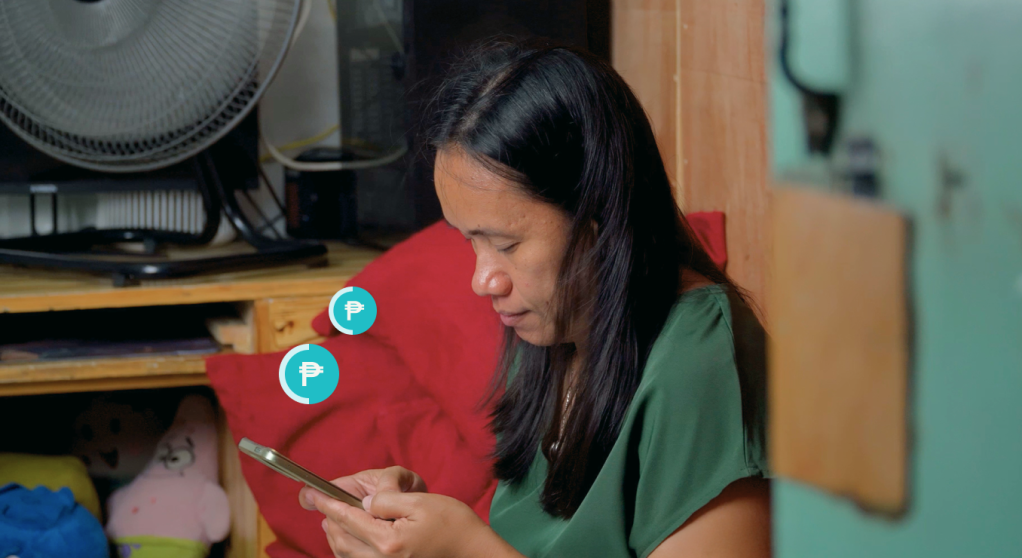
Online lending companies are planning to bring 300,000 more Filipinos into the formal financial system every month this year. The goal is simple: help more people get safe and fair access to financial services, especially those who don’t have a bank account or credit history.
As part of this effort, we at Tala continue to support initiatives that help underserved Filipinos build their first financial records and confidently participate in the formal economy.
Arianne Ferrer, President of the Consumer Lending Association of the Philippines (CLAP) and Tala’s External Affairs Director, shared, “With steady government support and clear regulations, we hope to reach 300,000 new borrowers each month. We want to give opportunities to people who may not have a financial credit history or extensive documentation so they can open their first financial account.”
CLAP members include some of the biggest online lending platforms in the country, all registered with the Securities and Exchange Commission (SEC). Together, these platforms have been downloaded more than 33 million times on Google Play and 10 million times across Apple and Huawei app stores, showing strong demand for accessible financial tools.
At Tala, we leverage alternative data and advanced technology to responsibly assess creditworthiness. This enables us to help first-time borrowers, small business owners, and everyday Filipinos securely access credit even without traditional financial records.
CLAP also plans to launch a nationwide campaign against predatory lending and unethical debt collection. Consumers will be encouraged to report any abusive practices directly to the association, helping protect Filipinos from unfair treatment.
According to the Bangko Sentral ng Pilipinas (BSP), about 65% of adult Filipinos had a bank account in 2022, and the BSP is aiming to bring this up to 70% soon. With fintech companies like Tala actively supporting digital finance adoption, more Filipinos can access formal, affordable credit, build financial confidence, and learn to manage credit responsibly.